Posted under Uncategorized on March 1, 2013 by Shari Harley. 0 Comments
You can say more than you think you can at work. You just need to lay some groundwork, and most people don’t. So difficult conversations remain…difficult. Change your business communication and improve your business relationships.
Listen to my conversation with colleague Heather Stagl on her radio show, A Change Agent’s Dilemma and get the words to use to say anything to anyone.
I’ve never had a performance appraisal that didn’t make me want to quit. Throughout my 15-year corporate career, before starting Candid Culture,I had some great bosses. And I always got good ratings and positive reviews. But there was always some comment or piece of feedback, in every performance appraisal, that frustrated me or impacted my raise or bonus in a way that felt unfair.
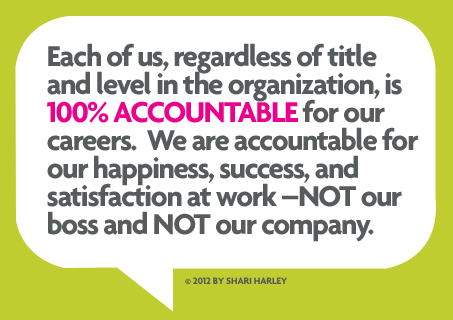
And each time I got feedback that felt unfair, I looked for how I contributed to the situation.
Which means it’s our job to ask the expectations of the people we work with and collect their feedback throughout the year, so we’re not blind-sided at year end.
Below are some tips to ensure you give and receive a useful and trauma-free performance appraisal.
If you read my last blog post,you know that your boss may not know all the good and not-so-good things you do on a daily basis. It’s your job to let her know about your accomplishments.
Assemble a list of things you’ve accomplished this year. This list might include emails and feedback from people you work with both inside and outside your organization. Ask your boss’s permission to send her the list. And tell her the information is intended to make it easy to write your appraisal.
If you don’t have feedback from your peers and internal or external customers, ask for it. I define customers as anyone you need to get your job done and anyone who needs you to get their job done. Send a short email to five or six people with whom you work closely, and ask them to send your boss some feedback about your performance this past year. If they’re comfortable sending you the feedback directly, all the better. Guide your customers by asking specific questions. That way you’ll get specific feedback, versus, “Dave did a good job this year.”
Ask questions like:
What’s one thing I did this year that made the most difference to you or your department?
What’s one thing I could have done differently this past year?
Don’t be scared to ask for feedback from your customers. Most people are so hesitant to give negative feedback that they’ll typically be easier on you than you are on yourself.
Most performance appraisals only contain feedback from the last few months of the year. As managers sit in front of a blank appraisal form, it’s all they can remember. It’s your job to help your manager remember all the good things you did throughout the year. And I don’t know of a manager who won’t appreciate having written, bulleted data from which to write appraisals. Bullets are easier to read than paragraphs. Make it easy to scan your list of accomplishments.
Writing performance appraisals doesn’t have to give you a headache. Receiving appraisals doesn’t have to make you wish you stayed home that day. Plan specific, useful feedback conversations and then move on to planning for 2013.
Managers, here’s a video I created on how to give a useful performance appraisal. And my new book How to Say Anything to Anyoneis perfect preparation for both managers and employees. The book won’t be in bookstores or on Amazon until January, but we have advance copies on our website.
A few weeks ago a fellow business owner told me about one of his employees whose performance had dropped. The work she was producing was acceptable but not as good she had done in the past and not as good as he knew she was capable of doing. So he asked her to rate her performance.
He asked his employee, “If you had to rate the level of work you’re producing, how engaged you are in your job, and how committed you are to the company, how would you rate yourself?” The employee thought about her manager’s question and replied with a score of 65%. He asked why she wasn’t giving the job 100% of her effort and ability. She said she didn’t know.
We all have times when we coast and do our minimal best. Sometimes we’re tired and need a break, or don’t like the type of work we’re doing, or don’t like the people we’re working for or with. Those are typical reasons for producing so-so work or having a moderate level of commitment to a company or job.
But sometimes none of those things are at play. We’ve just become complacent.
Evaluate where you are today in your level of commitment to and interest in your job. What score would you give yourself? If you’re not giving 100%, why not?
If you rated yourself below 100% ask yourself these questions:
Do you like the work you’re doing?
Are you bored?
Do you care about the work you’re doing or the work the company does?
Do you like who you work with and for?
When’s the last time you took time off? Really took time off, without checking email.
If your performance and level of commitment is less than you know you’re capable of doing, and your performance level is related to the questions above, have a conversation with someone in your organization who can help you do something about those things. Things won’t get better without your intervention.
If you’re not sure how to ask for more or different work, read my new book How to Say Anything to Anyone and get the language you need to have this conversation. The book won’t be in bookstores or available on Amazon until January, but we have some advanced copies for our clients.
If there are no issues to address, ask yourself if you’ve just gotten complacent. Have you gotten into the habit of coasting and delivering work that’s not at the level you’re capable of doing, for no particular reason? If that’s the case, recommit to checking back in and raising your performance –just because you can.


 You can say more than you think you can at work. You just need to lay some groundwork, and most people don’t. So difficult conversations remain…difficult. Change your business communication and improve your business relationships.