
Workplace Gossip – Gossip is Killing You
Dating turnoff: A guy who tells me negative things about other women he’s dated. If he’ll talk smack about other women to me, he’ll talk poorly about me to other people. I know I’m special, but I’m not different. And neither are you.
If your coworkers talk to you about other people in your office, why wouldn’t they talk to others about you? Likewise, if you talk to your friends at work about all the dolts you’re forced to work with, why shouldn’t your friends assume you will talk negatively about them. Like you, they’re special, but not different.
Workplace gossip exists in every organization everywhere. It’s been around forever and is here to stay. The problem is that gossip creates environments of suspicion and fear and kills organizational cultures. Employees watch his or her back, wondering from where the next jab and stab will come. And when people are worried about how others will damage them, they work alone versus together. They hoard information and recognition. All of this is, of course, very bad. But the distrust and paranoia that gossip creates isn’t the only reason to reduce the gossip in your organization.
An even more compelling reason to reduce the amount of workplace gossip — it’s exhausting.
My clients split hairs attempting to convince me that gossip and venting are not the same thing. They insist that venting is productive—it allows people to blow off steam and problem solve. Here is my one word reply: Garbage. That is complete garbage.
Although I am the least woo-woo person I know, this next thought may sound a little woo-woo. So hang in there with me. If an hour after a meeting you and your work friends are still talking about how inept the meeting facilitator is, you might as well still be sitting in the meeting. If you go home after work and complain to your spouse about the people you work with who do little work, then you might as well still be at work. You life is what you talk about and with whom. That’s the woo-woo part.
If you want a different experience, say something different. If the meetings in your office are ineffective, talk to the meeting facilitator off line. Offer suggestions; offer to run the meeting, or stop going. Do anything but talk to people who can’t impact the situation. If you’re working harder than the people around you, either talk to them or your manager, or simply do less. Sometimes we have to let things break for others to know they are broken.
Whatever you choose to do, know that talking about the things that frustrate you to people who can’t do anything about them makes you feel worse not better.
I’ve already conceded that workplace gossip isn’t going anywhere. So what to do?
Here are a few things you can do in your office to create a more positive and trusting culture:
- When you find yourself talking negatively about someone who isn’t present, stop.
- If there is something you’re unhappy with at work, tell someone who can do something about it. Just be careful not to dump a problem at a manager’s door. It burdens managers who are already too busy and annoys them. State your observation; recommend a solution; ask for their support if you need it.
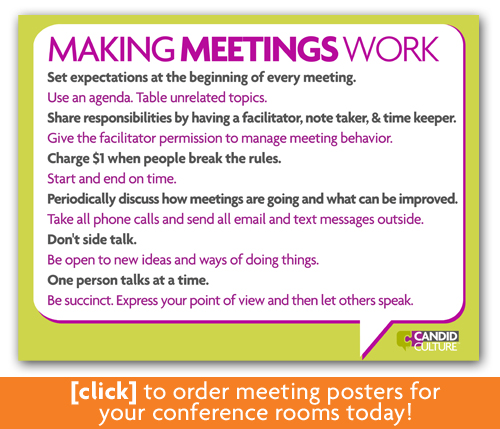
- Create a no workplace gossip policy in your office, and charge a $1 every time you hear gossip. The money can go to charity or towards funding company parties. People are hesitant to part with their money. You’ll be surprised at how much $1 can alter behavior. The people you work with may look at you funny, but they know how badly it feels to be thrown under the bus. Others will, in time, appreciate the policy. Working in an environment where you know others won’t talk about you when you’re not there creates an unprecedented feeling of confidence few of us will ever experience.
Ultimately the answer is simply to: Desire to have a different working environment and draw attention to the gossip you hear. That alone will help. You want people to trust you. And you want to work with people you trust. One of the fastest ways to build and repair trust is not to speak negatively about the people you work with. Plain and simple.